Compare professional hair extension methods, fitting considerations and maintenance. Explore wefts, tapes and tips, then use a matched sample to assess the right product for your salon or brand.
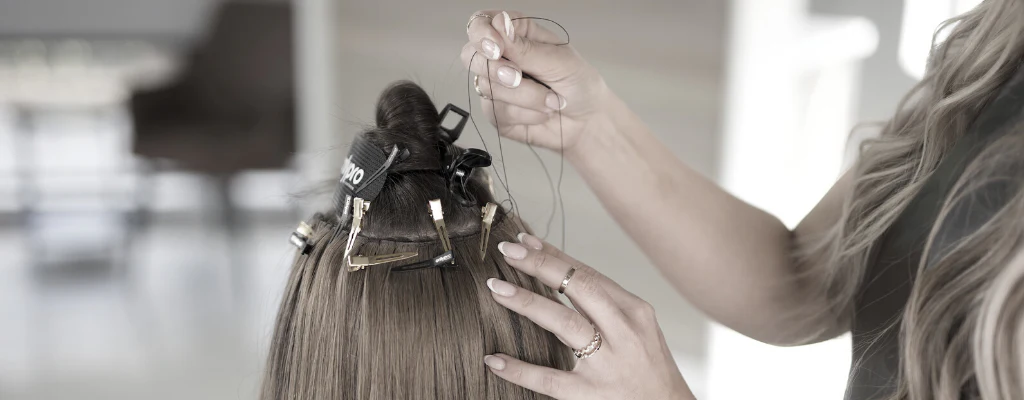
Extensions attach through a specified weft installation, adhesive tape system or individual ring or bond system. The supplied product and the installation technique must be compatible. This overview helps buyers request the right specification; it is not a do-it-yourself installation tutorial.
Nano ring systems use small rings with compatible tipped strands for individual placement. The exact ring, tip and strand weight must work together. Small attachment size can be useful for placement, but it does not make the method universally invisible, comfortable or suitable.
Appearance and softness alone cannot reliably prove that extensions are entirely human hair. Start with a written material specification, supplier traceability and an appropriate sample assessment. If material verification is commercially important, agree suitable independent testing before purchase.
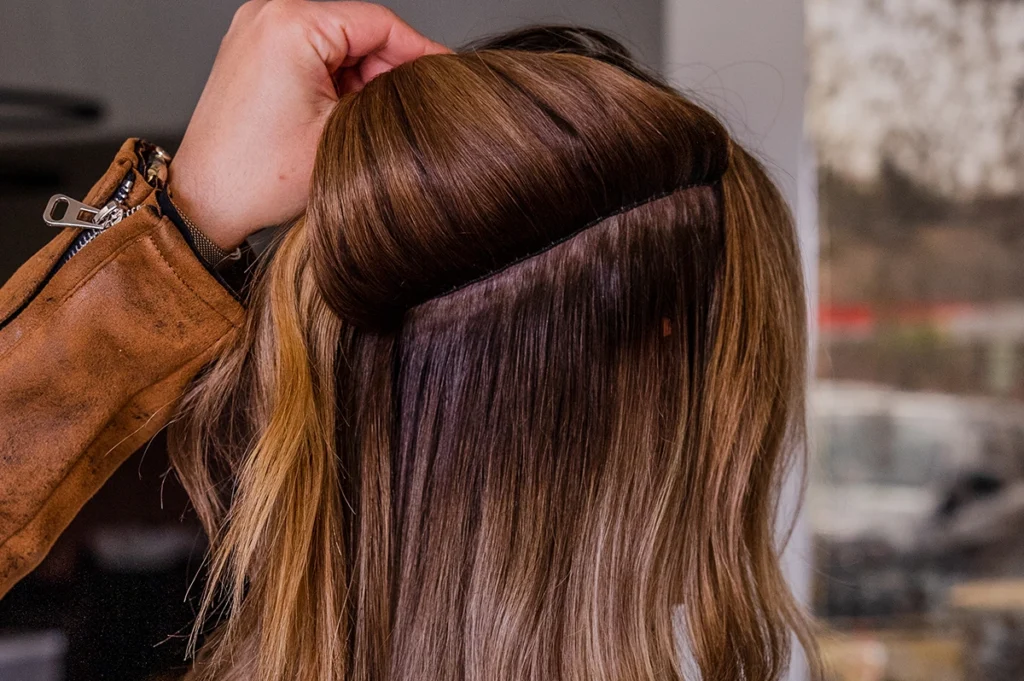
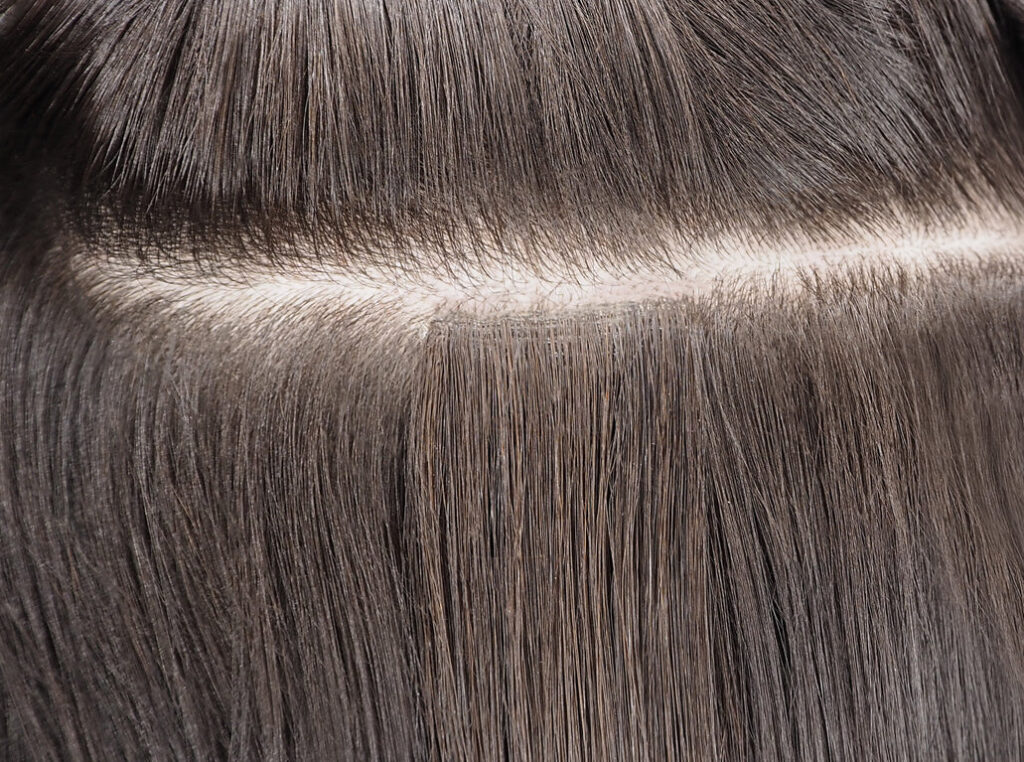
Clip-ins are removable extensions secured with clips; tape-ins use a compatible adhesive system and require professional installation and removal. Choose around the intended wear routine, natural hair and maintenance plan rather than calling one method universally better.
The installer should decide the suitable amount of hair after assessing the client’s natural hair, desired length, density and attachment method. For purchasing, convert that assessment into finished grams and the supplied pack or strand count. There is no universal gram amount for every client.
Care instructions should match the exact hair and attachment system. Give the client a clear routine for gentle detangling, washing, drying, styling and maintenance appointments, then explain when to contact the installer. A generic product recommendation cannot replace the system’s instructions.
Store clean, fully dry extensions in protective packaging away from moisture, direct sunlight and unnecessary friction. Keep each product identifiable by method, grade, shade, length and quantity so stock remains suitable for both use and accurate reordering.
A useful review or case study identifies the product, context and limits of the result. Look for permissioned evidence from a relevant salon or buyer, with enough detail to understand what was evaluated. An anonymous success story or an unsupported score is not a substitute for a sample.
Return eligibility depends on the agreed order terms and the condition of the product. If a shipment is damaged or differs from the approved order, keep the hair and packaging, document the affected quantity and contact the supplier before using, altering or returning it.
A useful training resource must match the exact attachment system and the installer’s role. Product information from a supplier supports purchasing and preparation; it does not replace practical training, a client consultation or the instructions for the installation and removal system.
 Skip to content